That Half-Used Antibiotic Box in the Cupboard: The Kindest Thing You Can Do With It
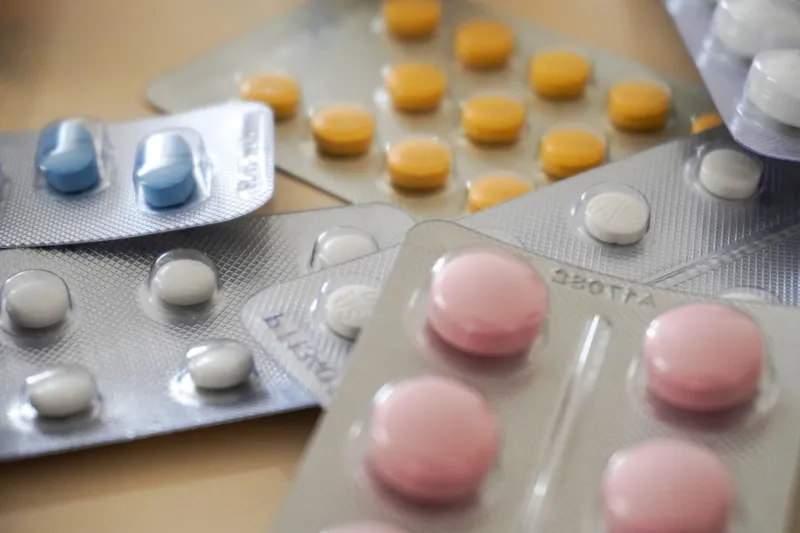
There's a bag in your house. Possibly a drawer, possibly the top of a wardrobe, possibly a shoebox under the bed. It holds a strip of amoxicillin with three capsules missing, a bottle of something pink from 2022, and a packet the hospital gave your mum on discharge. It feels wrong to throw it away. So there it sits.
You're not alone in this. It's one of the most common things we're asked about across the pharmacy counter, and it's never a silly question. But the "just in case" instinct — however kind-hearted — is worth unpicking, because it creates a risk that's easy to remove.
Why we keep them in the first place
There are a few honest reasons people hang on to unfinished antibiotics.
- You started feeling better. Course guidance varies by infection, and people often stop early when symptoms ease.
- The side effects were grim. Loose stools, nausea, thrush — plenty of people quietly give up and put the box away.
- Repeat prescriptions marched on. A new pack arrived while the old one was still half full.
- Nobody explained what to do with the left-over. If you weren't told, keeping it feels safer than binning it.
None of that makes you reckless. It makes you a person who didn't get the information they needed at the right moment. So here it is.
The 'just in case' trap
Here's the thing about a leftover antibiotic: it's almost never the right antibiotic for the next illness.
Antibiotics are not a general-purpose "bug killer". They're specific. A course for a chest infection may do nothing at all for a urine infection, a tooth abscess or the winter vomiting bug — which, being viral, won't respond to antibiotics at all. Taking the wrong one means days of delay before you get the treatment that actually works, and in some cases that delay matters.
Then there's dosing. A half-used strip rarely holds a full course. Under-dosing — taking a few tablets and stopping — is exactly the pattern that gives bacteria a chance to survive and adapt rather than being cleared out.
And the practical stuff: tablets degrade, liquids go off quickly once opened, and labels fade. Any medicine where you have to squint at the box to remember what it was is a medicine you shouldn't be swallowing.
Why this is bigger than your cupboard
Antimicrobial resistance is one of those phrases that sounds like a policy document, but it boils down to something very human: infections that used to be straightforward become harder to treat, and the medicines we rely on stop working.
The UK has been tracking this closely for years — the government's five-year action plan on antimicrobial resistance was published back in 2019, and the ambition to contain and control resistance by 2040 is still the anchor. It's not a distant problem either. Drug-resistant infections are already a reason some routine operations and treatments carry more risk than they did a generation ago.
Every unnecessary or incomplete course nudges that forward. Safe disposal is a small, unglamorous act of public health — the kind of thing that costs you nothing and quietly helps everyone.
Where leftover medicines should actually go
Not down the loo. Not in the bin. Not into the recycling, and please, not down the sink, where liquid antibiotics can end up in waterways.
The answer is simpler than people expect: take them back to a pharmacy.
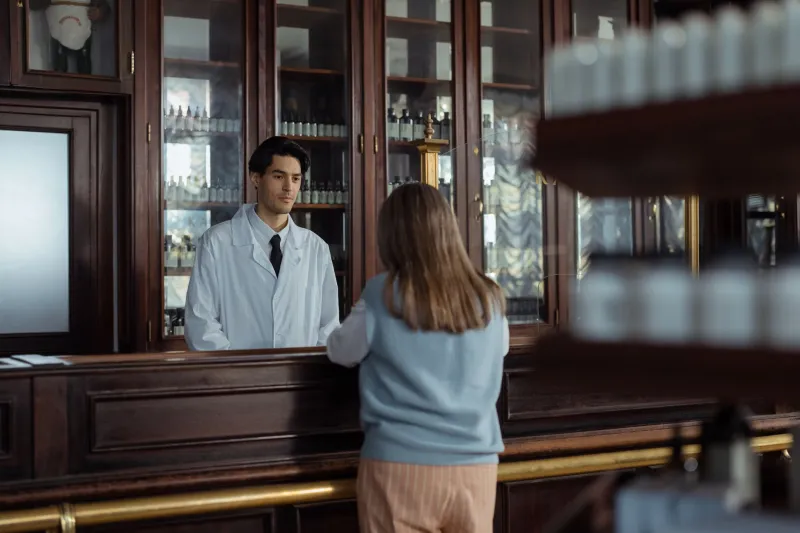
In the UK, community pharmacies are set up to accept unwanted medicines from the public for safe disposal. You don't need an appointment, you don't need to be a regular customer, and you don't need a reason. Most pharmacies will take them even if you didn't get them there.
A few practical notes:
- Leave them in their packaging if you can. The original box and leaflet help identify what's being disposed of. If you've already binned the box, bring the blister strip or bottle anyway — don't let it put you off.
- Liquids, creams, inhalers, patches and tablets are all accepted. Inhalers in particular shouldn't go in household waste, as the propellant gases are potent greenhouse gases.
- Sharps and needles are different. These need a sharps box, and many pharmacies can advise on local arrangements — just ask before handing anything over loose.
- No questions, no lecture. You will not be scolded. Pharmacists would far rather you brought it in than kept it or flushed it.
- Do a bag check first. It's a good moment to pull out anything expired, anything belonging to someone who has since changed medicines, and anything unlabelled.
One small routine that stops the pile growing
Pick a day — the first weekend of the month, say, or whenever you do a bigger shop — and give the medicines drawer a two-minute look. Anything out of date, anything you've stopped, anything you can't identify: into a bag, into the pharmacy next time you're passing.
If you're caring for an older relative, this is worth doing together. It's also a good excuse to check whether they're actually taking what's on their repeat list, and whether any of it needs reviewing.
If you think you need antibiotics again
Please don't raid the drawer. Speak to a pharmacist, your GP, or use NHS 111 — whichever suits the situation. Community pharmacists can now assess and treat a growing range of common conditions under Pharmacy First, including some that used to mean a GP appointment.
And if you're ever unsure whether a course was finished properly, or whether the infection has cleared, ask. That's the whole point of us being here.
The kindest thing you can do with that half-used box isn't to save it. It's to let it go — properly, safely, and without a single drop going down the drain.