Norovirus at Home: What to Do First, What to Wash, and When to Pick Up the Phone
Norovirus has a way of announcing itself without much warning. One minute someone is fine, the next they are camped near the bathroom, and by morning the washing machine is working overtime. It is miserable, but for most otherwise healthy adults and children it is short-lived. The trick is to keep it short-lived safely — and to know when a bug that is usually mild needs a second opinion.
This is general advice, not a diagnosis. If you are worried about yourself or someone you care for, contact NHS 111 or your GP. If someone is seriously unwell, call 999.
First, the practical bit: fluids in small, steady amounts
The main risk with norovirus is dehydration. Vomiting and diarrhoea remove fluid quickly, and feeling sick makes it hard to drink. The answer is not to gulp a pint and hope for the best. It is to take small sips, often.
Oral rehydration sachets from your community pharmacy are designed for exactly this. They replace salts as well as fluid and are usually a better choice than sports drinks, squash or juice. You can ask a pharmacist which one is suitable for the person's age, especially for babies and young children. If someone vomits shortly after drinking, wait ten minutes or so and then try a spoonful or two again. Small and frequent beats large and heroic.
For babies, keep offering their usual milk feeds. If you are worried about their intake, speak to a pharmacist, GP or NHS 111. Do not give anti-diarrhoea medicines to young children, and check with a pharmacist before using them for adults — they are not right for every case.
The hygiene routine that actually matters
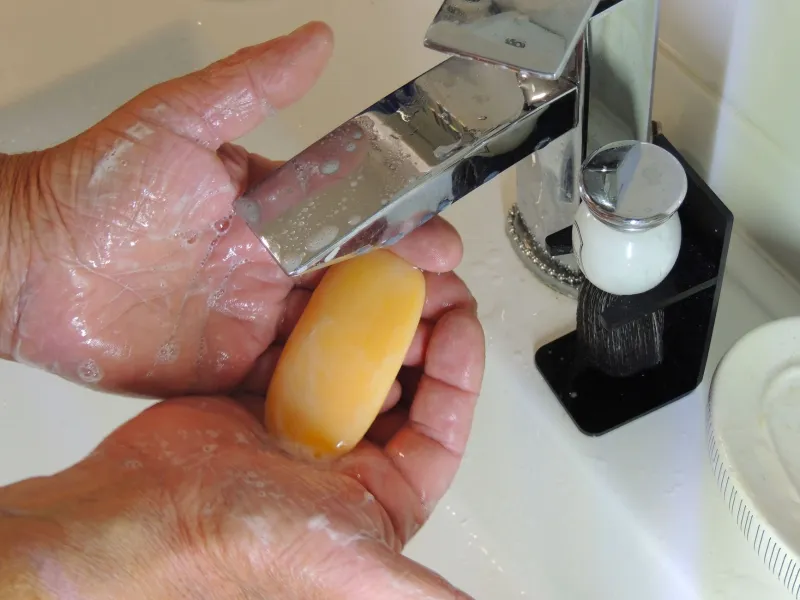
Norovirus is hardy. It can survive on surfaces and spreads easily from hands, food, toilets and shared towels. Alcohol hand gel is not reliable against norovirus; soap and water is the one that matters. Wash hands for around twenty seconds after using the toilet, after changing nappies, and before preparing or eating food.
Keep the bathroom as separate as you reasonably can. Use a separate towel for the unwell person, and clean toilet handles, taps, flush buttons and door handles with a bleach-based cleaner. When flushing, put the lid down first. Do not shake soiled bedding or clothing before washing — that can send virus particles into the air. Wash laundry at the highest temperature the fabric allows; 60°C is often recommended for soiled items. If you cannot wash hot, wash normally and then wash again.
Stay off work, school or nursery until 48 hours after symptoms have stopped. That includes not preparing food for other people. It sounds cautious, but it is one of the simplest ways to stop the whole household going down in sequence.
Who needs a lower threshold for help
Most people can ride out norovirus at home. Some groups need a closer eye and a lower threshold for ringing for advice: babies and young children, older adults, and people who are immunosuppressed or have long-term conditions.
For babies, watch for fewer wet nappies, a sunken soft spot, no tears when crying, drowsiness, floppiness, green vomit, blood in the stool, or severe tummy pain. For older adults, confusion, dizziness, weakness, a very dry mouth or passing very little urine are warning signs. People who are immunosuppressed may not clear the virus as quickly and should speak to NHS 111 or their GP earlier rather than later.
When to call 111, and when to call 999
NHS 111 is the right route if you are unsure. Call or go online if someone cannot keep any fluids down, is showing signs of dehydration, has blood in their vomit or stool, has severe abdominal pain, has a high temperature that will not settle, or is not improving after two or three days. For babies and older adults, trust your instincts sooner.
Call 999 if someone is unresponsive, has severe difficulty breathing, has blue or grey lips, is having a seizure, or if you think it is a life-threatening emergency.
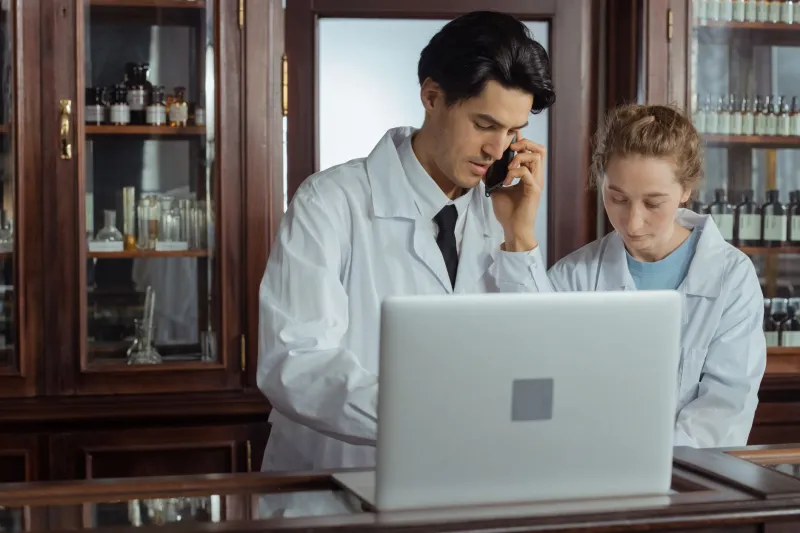
Your community pharmacy can help with oral rehydration sachets and practical advice, especially if you phone first rather than bringing an infectious bug into the shop. They can also check whether any regular medicines need a second look while someone is unwell. From there, NHS 111 can direct you to GP care or urgent treatment if needed.
A small cupboard list is enough
You do not need a medical stockpile. Oral rehydration sachets, a thermometer, soap, a bleach-based cleaner and a willingness to wash laundry hot will get most households through. Keep bland foods handy if people feel like eating, but do not force it. Rest is part of the treatment.
Norovirus is unpleasant, but calm, ordinary steps do most of the work. Keep fluids going in, keep hands clean, keep the laundry moving, and pick up the Phone if something feels off. That is a good plan for the 2026 season and every season after it.