Five Minutes Before the Cold Snap: A Winter Inhaler MOT for Asthma and COPD
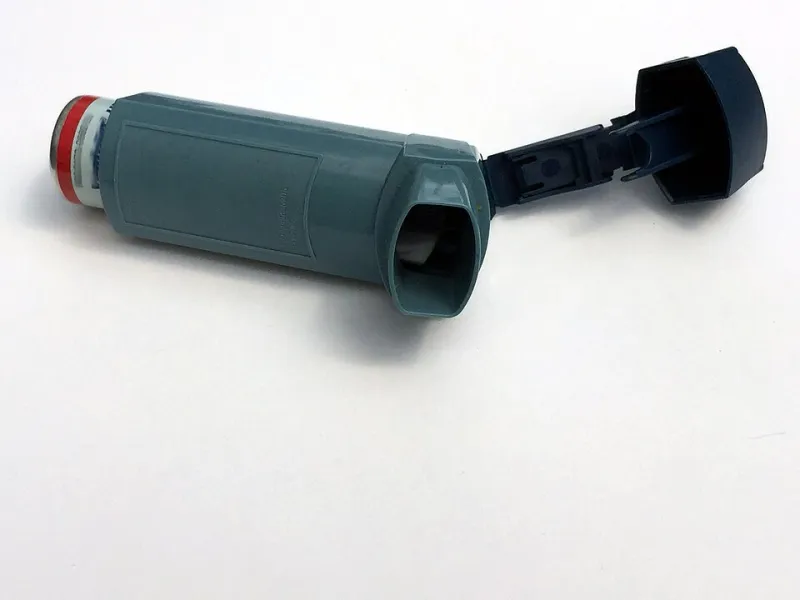
Photo: NIAID, CC BY 2.0, via Wikimedia Commons
Why cold air changes the maths
Cold air is a well-known trigger for asthma and COPD. Add in winter viruses, damp afternoons, central heating, and the usual coughs going round, and your inhalers may be doing more work than they were in September. That doesn’t mean something dramatic is about to happen. It means this is a good week to give your inhalers a five-minute MOT before the cold really bites.
A pharmacy counter is a sensible place to do it. You don’t need an appointment for a chat about technique, and you can bring everything with you: the inhalers, the spacer, the box, and your action plan if you have one.
Two inhalers, two different jobs
Most people with asthma or COPD have a reliever and a preventer. The reliever is usually the blue one, used when symptoms flare up. The preventer is the one you take regularly to calm the airways and reduce flare-ups; its colour varies depending on the brand, so don’t judge by colour alone. The names matter more than the colours.
The key point: do not stop your preventer because you feel well, and do not swap or stop anything without advice. Winter is not the moment to reduce protection without a conversation.
The five-minute check
Start with the dates. Every inhaler has an expiry date on the box or canister. Some also need to be used within a certain number of months after first use. Write the date you opened it on the box with a marker. If it’s out of date, ask your pharmacist about a replacement.
Next, look at the dose counter if there is one. Some inhalers show how many doses are left; others don’t. If yours doesn’t, keep a rough note of when you started it. Don’t wait until it’s completely empty to reorder, especially if you rely on it daily.
Then check technique. This is the quiet bit that often slips. For a standard metered-dose inhaler: shake it, breathe out gently, seal your lips around the mouthpiece, press the canister as you start to breathe in slowly, keep breathing in, then hold your breath for about ten seconds. Wait about 30 seconds before the next puff. Dry powder inhalers are different — you usually breathe in quickly and deeply, and you don’t shake them unless the leaflet says so.
Finally, talk about how often you’re reaching for the reliever. That’s the bit your pharmacist can help you interpret without alarm.
The spacer question
If you use a metered-dose inhaler, a spacer can help get more medicine into your lungs and less into your mouth and throat. They’re especially useful for children, but adults can benefit too, particularly if technique is shaky or if you’re having a flare-up. Use one puff at a time in the spacer, breathe in and out a few times as instructed, and follow the cleaning advice for your spacer. Don’t share spacers.
Dose counters, expiry and the floating myth
Don’t test an inhaler by floating it in water. That old trick is not reliable and can damage the device. Use the dose counter, the date you started it, and the expiry date. If you’re unsure whether there’s medicine left, ask your pharmacist.
Also check the mouthpiece for dust or grit, and keep the cap on when you’re not using it. Store inhalers somewhere dry and not too hot. A bathroom cabinet is not ideal for medicines that need stable conditions.
When the blue inhaler is getting more use
If you’re reaching for your reliever more often than usual — more than your action plan suggests, most days, or waking at night to use it — that’s a signal to book a review. It doesn’t automatically mean disaster. It can mean the preventer needs checking, technique needs a tweak, or a winter virus has stirred things up. But it is information you should act on rather than ignore.
For COPD, follow your rescue plan if you have one. Don’t start leftover antibiotics or steroid tablets on your own unless your plan specifically tells you to and you’ve been advised how. For asthma, use your written action plan if you have one. If you don’t have a plan, ask your GP or asthma nurse for one.
Red flags: when to call for urgent help
Call 999 if you’re struggling to breathe, can’t speak in full sentences, have blue lips, have severe chest pain, feel confused or very drowsy, or if your reliever isn’t helping and you’re getting worse. If you’re unsure, call NHS 111. Don’t wait to see if it settles.
What to bring to the counter
Bring all your inhalers, including the one you think is empty. Bring your spacer. Bring your action plan if you have one, and a list of your other medicines. If you’ve been using your reliever more than usual, say so — it’s not a confession, it’s a clue.
The take-home
Five minutes now can save a lot of guesswork later. Check the dates, check the technique, check the spacer, and check how often the reliever is being used. Your JP Pharmacy Care pharmacist can help you make sense of it all without the alarm bells.