The Little Bottle in the Bathroom Cupboard: Eye Drops, Expiry and the Bin
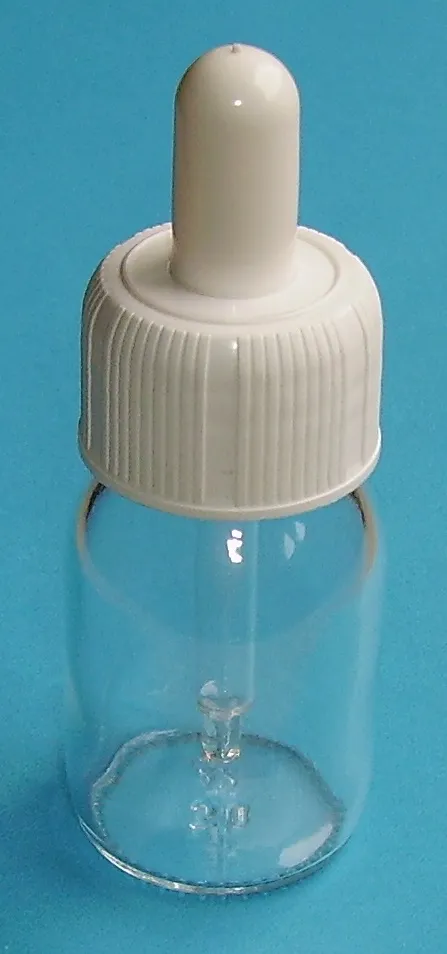
Photo: Cjp24, CC BY-SA 3.0, via Wikimedia Commons
The cupboard rummage
Almost every household has one: a small bottle of eye drops at the back of the bathroom cupboard, kept “just in case.” Maybe it was for an allergy flare-up, a gritty eye after a cold, or a prescription from months ago. It looks fine. The bottle is nearly full. So it feels wasteful to bin it.
But eye drops are one of those medicines where “just in case” can quietly backfire. They have tight rules about how long they can be used after opening, they can become contaminated without looking any different, and using the wrong drops for the wrong eye problem can delay proper treatment. This is less about being fussy and more about protecting a sensitive part of the body.
Why eye drops have a tighter clock
Most eye drops are sterile when they’re made. Once you open the bottle, the clock starts. The preservative in multi-dose bottles can only hold the line for so long, and the tip can pick up microbes from your eye, your lashes, or your fingers. Many multi-dose eye drops should be thrown away 28 days after opening, but not all — some are shorter, and some preservative-free products have different rules. The leaflet inside the box is the place to check, not the expiry date on the outer carton alone.
Single-use vials are different. They’re usually used once and then discarded, even if there’s liquid left. They don’t contain preservative in the same way, so keeping them for later is not a safe habit.
How contamination happens
Contamination is rarely dramatic. It can happen when the tip of the bottle touches your eyelashes, your eyelid, or your skin. It can happen if you hold the bottle too close and the tip brushes the eye. It can happen with unwashed hands, or if you leave the cap off. It can happen if two people share a bottle. And it can happen simply because the bottle has been open for weeks in a warm bathroom.
The tricky part is that contaminated drops may not look cloudy or smell odd. You can’t rely on your eyes to tell you the drops are still safe. That’s why the date-you-opened rule matters more than appearance.
The false economy of “just in case”
Keeping old eye drops feels thrifty, but it’s often a false economy. If your eye problem has changed — from allergy to infection, from dryness to irritation — the old drops may not be the right treatment. Using them can mask symptoms, irritate the eye further, or delay the conversation you actually need to have.
Sharing eye drops is another kind thing that isn’t really kind. Eyes carry their own bacteria, and a bottle that’s fine for one person can introduce infection to another. It’s not worth the risk, even between family members.
A simple disposal plan
First, check when you opened the bottle. If you can’t remember, and it’s been in the cupboard for more than a month, don’t use it. If the drops have changed colour, look cloudy, or have particles in them, don’t use them. If the bottle is damaged or the cap is missing, don’t use it.
Then take it to a pharmacy. UK pharmacies can accept unwanted medicines for safe disposal. Don’t flush eye drops down the toilet or pour them down the sink unless the label specifically tells you to. Keep them out of reach of children and pets while they’re waiting to go back. If you have several old medicines, put them all in a bag and take them together — it’s a good excuse for a cupboard clear-out.
When to ask the same day
Some eye symptoms need a same-day conversation rather than a cupboard rummage. Ask for urgent advice if you have eye pain, marked redness, a change in vision, sensitivity to light, discharge, swelling around the eye, or if you’ve had a recent eye injury or eye surgery. If you wear contact lenses and your eye is red or painful, remove the lenses and seek advice.
Call 999 or go to A&E if you have sudden loss of vision, severe eye pain with a headache and nausea, or a chemical splash in the eye. If you’re unsure, NHS 111 can point you in the right direction.
What a pharmacist can help with
A pharmacist can advise on simple eye problems such as allergies, dry eye, or mild irritation, and can tell you whether you need to see a GP or an optometrist. They can also check whether a medicine you’re taking could be contributing to dry eyes. Bring the old bottle with you if you’re unsure what it was — the label and the leaflet will help.
The bottom line
Date the bottle when you open it. Check the leaflet for the discard-after-opening rule. Don’t share eye drops. Don’t hoard them “just in case.” And when they’re past their safe window, take them back to your JP Pharmacy Care pharmacy for disposal. It’s a small habit that protects your eyes and keeps the bathroom cupboard honest.