Forgot Your Tablet? The Calm Next-Step Guide for Ordinary Forgetfulness
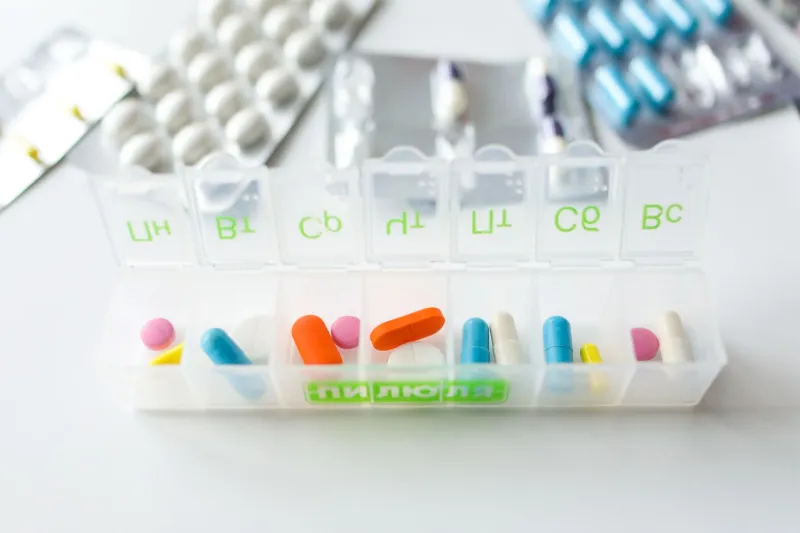
Almost everyone misses a dose at some point. It might be the blood-pressure tablet you take with breakfast, the antibiotic you were meant to finish, or the pill you suddenly remember at 10pm. The important thing is not to let a small slip turn into a rushed, worried decision.
At JP Pharmacy Care, we hear this question a lot: ‘I forgot my tablet — should I take it now?’ The honest answer is that it depends on the medicine, the timing and you. This guide gives you a calm way to work it out, but it is general information, not personalised medical advice. If you are unsure, ask a pharmacist. That is what we are here for.
First, take a breath
A missed dose is usually not an emergency. Panic tends to lead to two unhelpful moves: taking a double dose to ‘catch up’, or deciding to skip the medicine altogether without checking. Both can cause problems.
Before you do anything, find the packet or the patient information leaflet. Look at the label: how often is the dose meant to be taken, and is there any specific instruction about missed doses? Some labels say exactly what to do. Others are vague, which is why the pharmacy exists.
The three questions that settle most missed doses
Ask yourself:
- How long ago was the dose due?
- How long until the next dose is due?
- Is this a medicine where timing matters a lot?
If the missed dose was only a short time ago and the next dose is not due for many hours, many ordinary medicines can be taken when you remember. If the next dose is coming up soon, it is often safer to skip the missed one and carry on as normal. But ‘often’ is not ‘always’. The label and your pharmacist have the final word.
Why doubling up is usually a bad idea
Taking two tablets at once to make up for a missed one feels logical, but it can push your levels of the medicine too high. That can mean more side effects, more risk, and no real benefit. For medicines like blood thinners, diabetes medicines, epilepsy medicines or heart medicines, doubling up can be genuinely dangerous. Even for common painkillers, taking more than the label allows can harm your liver or stomach.
So the default is simple: do not double up unless a healthcare professional has told you specifically to do that. It is a rare instruction, not a DIY fix.
A rough map by medicine type
Once-a-day tablets for long-term conditions
Many people take one tablet a day for blood pressure, cholesterol, thyroid or similar long-term conditions. If you remember later the same day, the label may allow you to take it then. If you only remember the next morning, do not take two. Take the usual dose and mention the missed one at your next review. For thyroid medicines, blood thinners and some heart medicines, ring the pharmacy first — timing can matter more than it does for others.
The contraceptive pill
This is one where guesswork is a bad idea. Missed pill rules depend on the type of pill, how late the dose is, and where you are in the pack. Check the leaflet in your pack or speak to a pharmacist. If you have had unprotected sex, ask about emergency contraception as soon as possible — it is time-sensitive, and a pharmacy can help.
Antibiotics
If you miss an antibiotic dose, take it when you remember unless it is nearly time for the next one. Do not take two at once. Try to finish the course as prescribed, and ask the pharmacist if you are unsure. Never save leftover antibiotics for later.
Pain relief and as-needed medicines
Painkillers and other ‘when needed’ medicines are different because you do not have a fixed schedule. If you have missed a dose but you are not in pain, you may not need it at all. If you are in pain, follow the label’s maximum dose and the minimum gap between doses. Do not stack different products that contain the same ingredient — many cold and flu remedies contain paracetamol, for example.
Medicines where the timing really matters
Some medicines need steadier levels in the body: epilepsy medicines, anticoagulants, insulin, immunosuppressants and some medicines for Parkinson’s or heart conditions. For these, do not rely on a general rule. Call your pharmacy, GP, out-of-hours service or specialist clinic. If you feel unwell, seek urgent help.
When to call the pharmacy, NHS 111 or 999
Call your pharmacy for advice if you are unsure about a missed dose, if the label is unclear, or if the medicine is one where timing matters. In the UK, NHS 111 can help when the pharmacy is closed. Call 999 or go to A&E if you have severe symptoms, such as difficulty breathing, chest pain, confusion, a seizure, or signs of a serious allergic reaction.
A simple note for next time
Keep a small note in your phone or on the fridge: the medicine name, the dose, and the time you usually take it. If you use a pill organiser, fill it at the same time each week. And if you miss a dose often, tell your pharmacist — it is not a failure. It may mean the timing, packaging or medicine needs a rethink.
The bottom line
A missed dose is a common, human moment. Pause, check the label, do not double up, and ask for help when the medicine is one where timing matters. At JP Pharmacy Care, we would always rather answer a quick question than have you guess. A calm five-minute conversation at the counter is often the safest medicine of all.