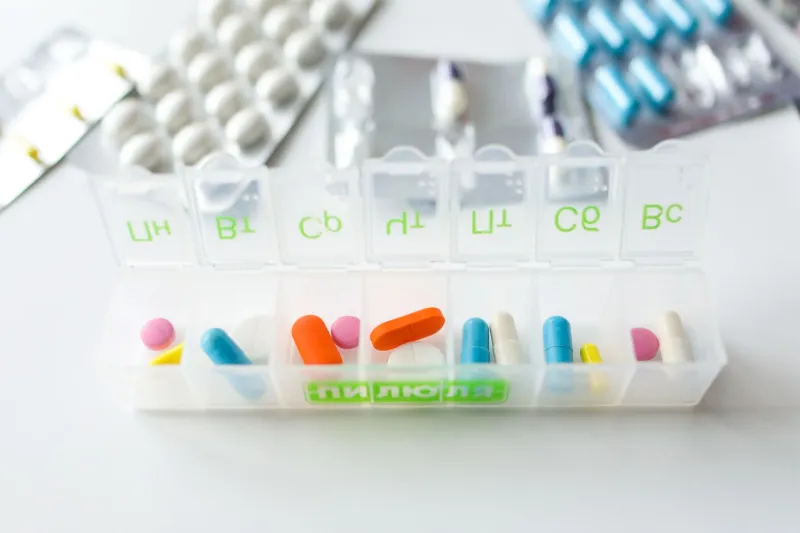
Before You Reach for a Sleep Aid: A Calm Counter-Side Guide for Sleepless Nights

Photo by Photo by Semyon Borisov on Unsplash on Unsplash
It is 3 a.m. The ceiling has become fascinating. You have tried the usual things — a warm drink, a boring podcast, turning the pillow to the cool side — and none of it has worked. By morning, the pharmacy shelf with the sleep products on it can feel like the most sensible place in town.
That is understandable. Sleeplessness is miserable, and the darker winter months can make it feel worse. But over-the-counter sleep remedies are not a magic off-switch. They are tools with limits, side effects, and a time and a place. At JP Pharmacy Care, the aim is not to scare you away from the shelf. It is to help you choose with your eyes open — and to know when another box is not the answer.
First, what are you actually buying?
In the UK, most over-the-counter sleep products fall into a few broad groups.
Sedating antihistamines are the most common. You will see diphenhydramine, promethazine, and sometimes chlorphenamine in products marketed for night-time use. Some are pharmacy-only; others are general sale. They can make you drowsy, which is why they are used for occasional sleeplessness. But drowsiness is not the same as good-quality sleep, and these medicines can leave some people groggy the next day.
Herbal products include valerian, hops, lavender, passionflower, and various blends. Some people find them pleasant and helpful as part of a wind-down routine. The evidence is mixed, and product quality can vary. ‘Herbal’ does not automatically mean ‘no interactions’ or ‘suitable for everyone’.
Melatonin causes a lot of confusion. In the UK, melatonin is a prescription-only licensed medicine. It is not a general sale sleep aid, and products bought online or brought back from abroad may not be what they seem. If you have been given melatonin by your GP or specialist, follow their instructions. If you have bought ‘melatonin gummies’ elsewhere, it is worth a chat with a pharmacist before using them.
Also check combination products carefully. Some night-time remedies contain a sedating antihistamine alongside paracetamol or ibuprofen. It is easy to double up without meaning to, especially if you have already taken a painkiller.
What they can and cannot do
A sedating antihistamine may help you feel drowsy for a night or two. It does not treat the reason you are not sleeping. If pain, anxiety, a noisy neighbour, shift work, bladder problems, or sleep apnoea are keeping you awake, a sleep tablet is at best a short-term patch.
Regular use of sedating antihistamines can lead to tolerance, meaning the same dose stops having the same effect. They can also cause dry mouth, blurred vision, constipation, confusion, and urinary retention. In older adults, that can increase the risk of falls and confusion. Herbal remedies are generally gentler, but they are not instant, and they are not a cure for a persistent sleep problem.
No over-the-counter product can recreate a good sleep routine. Keeping regular wake times, getting morning daylight — especially in winter — cutting back on late caffeine and alcohol, and giving yourself a proper wind-down all matter more than most people expect.
Who should pause before buying
A pharmacist can help you decide, but some people should be especially careful. That includes older adults, particularly those who are frail or prone to falls. It includes anyone who is pregnant or breastfeeding, and parents thinking about giving a sleep product to a child — children should not routinely be given sedating sleep remedies without advice.
Be cautious if you have glaucoma, an enlarged prostate, urinary retention, liver or kidney problems, or a breathing condition such as asthma or COPD. Sedating antihistamines can worsen some of these. They can also interact with alcohol, opioid painkillers, benzodiazepines, some antidepressants, and other sedating medicines.
Do not drive or operate machinery if you feel drowsy, and remember that next-day grogginess can linger. If you snore heavily, wake gasping, or feel extremely sleepy during the day, that needs a proper conversation rather than another box. The same goes for restless legs, persistent pain, low mood, or anxiety that is affecting your sleep.
The counter conversation worth having
A pharmacy counter is not a place for judgement. It is a place for a quick, practical check. Tell the pharmacist how long you have been sleeping badly, what you have already tried, and what other medicines you take — including supplements and anything bought online. Mention alcohol, pregnancy, breastfeeding, long-term health conditions, and whether you drive for work.
Ask straightforward questions: Is this suitable for me? What are the common side effects? How long should I use it? What should I do if it does not help? Can I take it with my other medicines? A good pharmacist may talk you out of a purchase — not to be unkind, but because it is the safer choice.
A kinder plan for the 3 a.m. wake-up
If you wake in the night and cannot get back off, try not to lie there clock-watching. Get up, keep the lights low, and do something quiet and dull until you feel sleepy again. Avoid bright screens if you can. Keep a notebook by the bed for worries so your brain does not have to hold them all night.
During the day, try to get outside in the morning light, even on a grey winter day. Keep caffeine to the earlier part of the day, go easy on alcohol, and aim for a consistent wake time rather than a perfect bedtime. If you use a sleep remedy, treat it as a short-term experiment, not a nightly habit.
When to book a proper conversation
If sleep problems are affecting your daily life for more than four weeks and simple changes are not helping, speak to your GP. Seek help sooner if you have breathing pauses in sleep, severe daytime sleepiness, restless legs, significant mood changes, or thoughts of self-harm. For persistent insomnia, cognitive behavioural therapy for insomnia — often called CBT-I — is usually considered first-line treatment, not a tablet.
The 3 a.m. aisle can feel like the only option when you are exhausted. It is not. Sometimes the kindest thing you can do is ask a pharmacist for a straight answer, take the smallest useful step, and give your sleep a chance to settle without chasing it. If you are unsure, speak to your pharmacist — that is what we are here for.