Three Boxes on the Shelf: How to Choose Between Paracetamol, Ibuprofen and Aspirin
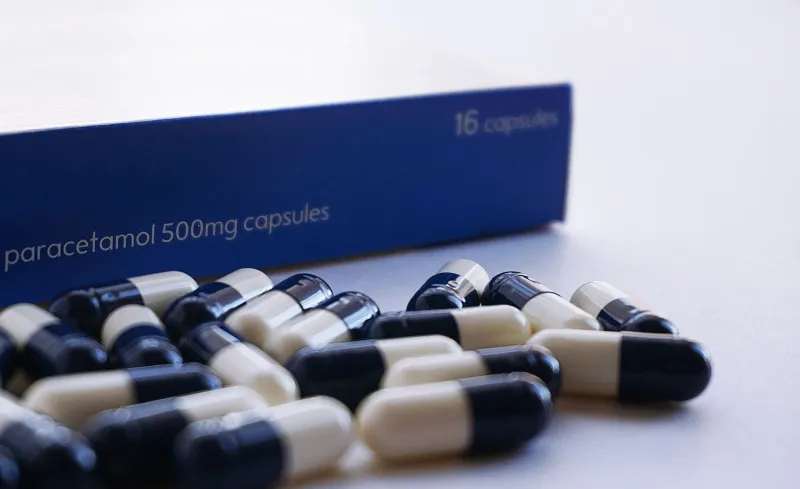
Almost every household in the country has a small tub, a drawer or a shelf where the painkillers live. Paracetamol, ibuprofen, and usually a strip of aspirin at the back that has been there since some forgotten holiday. They look interchangeable, and in a hurry it is easy to treat them that way.
They are not interchangeable. Each one has a job it does well, a group of people who need to be careful with it, and a daily ceiling you should not push past. Here is the calm version.
What all three do, and where they part company
All three ease mild to moderate pain and bring a temperature down. Beyond that, they behave quite differently. Paracetamol is gentle on the stomach and plays nicely with most other medicines. Ibuprofen is an anti-inflammatory, which is why it earns its place for period pain, toothache, sprains and sore joints. Aspirin is also an anti-inflammatory, but it comes with more baggage than the other two: bleeding, stomach irritation, and a firm rule about children.
Paracetamol: the quiet default
For most adults, 500mg to 1g at a time, no more often than every four hours, and never more than 4g — eight 500mg tablets — in any 24 hours. That is a ceiling, not a target.
The trap is rarely the plain box. It is the extras: cold and flu sachets, hot lemon drinks, night-time cold remedies and a long list of combination pain products all contain paracetamol. Have one of those alongside two tablets from the plain box and you can reach the limit without noticing. Read the ingredients panel on the back of every pack, every time.
Paracetamol is processed by the liver. An accidental overdose — even one spread across a day rather than swallowed all at once — can cause serious liver damage, and it does not always feel dramatic at the time. If you weigh very little, eat very little, drink heavily, or have liver disease, ask your pharmacist what your safe daily maximum is. It may be lower than 4g.
The reassuring part: paracetamol is the usual first choice in pregnancy and while breastfeeding, it does not upset the stomach, and it does not thin the blood.
Ibuprofen: excellent, but it has opinions
Adults can usually take 200mg to 400mg three times a day, with or after food, and the pack you buy without a prescription caps you at 1200mg in 24 hours. Take it with something in your stomach — a slice of toast counts — and use the lowest dose that works for the shortest time.
Where ibuprofen runs into trouble:
- Stomach. If you have had an ulcer, a bleed, or bad indigestion with anti-inflammatories before, that is a conversation to have rather than a guess to make.
- Kidneys. Ibuprofen reduces blood flow to the kidneys. When you are dehydrated with a sickness bug, or during a hot spell, or you already have kidney disease, that matters. So does the combination of an anti-inflammatory with an ACE inhibitor or a diuretic — pharmacists call it the triple whammy.
- Asthma. A small number of people with asthma react badly to anti-inflammatories. If your asthma has ever flared after ibuprofen or aspirin, avoid them and mention it at every appointment.
- Pregnancy. Avoid ibuprofen in pregnancy unless a clinician advises otherwise, and from 20 weeks onwards anti-inflammatories should not be used unless specifically directed. In the final trimester they are off the table for pain relief.
- Other medicines. Ibuprofen can interact with blood thinners, SSRIs, lithium and methotrexate. A pharmacist can check your list in under a minute.
While breastfeeding, ibuprofen is generally considered compatible — but do say so at the counter so it can be checked against everything else you take.
Aspirin: the one to handle with the most care
Two jobs, two very different doses. A 75mg tablet is the low dose a GP prescribes for heart and stroke protection. A 300mg tablet is the painkilling dose. They are not interchangeable, and the low dose is not simply a gentle painkiller.
The rules that matter:
- Never give aspirin to anyone under 16, and never to a child with a fever, because of a rare but serious condition called Reye's syndrome.
- It thins the blood and irritates the stomach lining. If you take warfarin or another anticoagulant, or you have had an ulcer, do not start it on your own.
- If you already take daily low-dose aspirin for your heart and need pain relief, ibuprofen is an awkward partner — it can blunt aspirin's protective effect. Paracetamol is the simpler answer. If ibuprofen is genuinely needed, spacing it well away from the aspirin dose is the usual advice; ask your pharmacist to be sure.
- Not for pregnancy pain relief, not while breastfeeding without advice, and not for anyone whose asthma is triggered by anti-inflammatories.
Can you take them together?
Paracetamol and ibuprofen work in different ways, and alternating them for a short stretch — a rough sore throat, a twisted ankle — is a common and reasonable approach, as long as you keep score. Write the times down. A note on the fridge or an alarm on your phone beats trying to reconstruct it at 2am.
Do not take two anti-inflammatories together — ibuprofen plus aspirin, or ibuprofen plus naproxen — unless a clinician has specifically told you to. And keep an eye on combination products that already contain paracetamol, because that is where double dosing creeps in.
The thirty-second check before you swallow
Three questions: what is already in this product, when did I last take something, and does anything on my regular medicine list clash with this? If you cannot answer the third, that is exactly what the pharmacy counter is for.
While you are there, have a clear-out. Tablets past their expiry date, loose strips with no box, and children's suspensions that were opened months ago can all go back to a pharmacy for safe disposal.
When pain needs a person, not a tablet
Some pain should never be met with another dose. Call 999 or go to A&E for chest pain or pressure, sudden breathlessness, a thunderclap headache that peaks within seconds, a fever with a stiff neck and a rash that does not fade under a glass, vomiting blood or black tarry stools, or a significant head injury.
Speak to a GP or call 111 the same day for a fever in a baby under three months, pain that keeps worsening despite painkillers, pain lasting more than around ten days, unexplained weight loss, pain that wakes you or your child at night, or any new lump.
A word from the counter
Paracetamol, ibuprofen and aspirin are ordinary, inexpensive and genuinely useful. They are also medicines, and the label is not decoration. If you are unsure — pregnant, breastfeeding, asthmatic, on blood pressure tablets, or simply not certain which box to reach for — walk into a pharmacy and ask. No appointment, no fuss, and no judgement about the state of your cupboard.
This article is general information, not a substitute for personal medical advice. Always read the label, and speak to your pharmacist or GP about your own circumstances.