When the Cold Has Gone but the Cough Hasn’t: A Calm Three-Week Plan
Photo: thesandiegomuseumofartcollection, Public domain, via Wikimedia Commons
Why the cough can outlast the cold
It’s a familiar November scene. You’ve done the cold: the sore throat, the blocked nose, the few days of feeling rough. Then the cold lifts, your energy comes back, but the cough stays. It’s there when you laugh, when you climb the stairs, when you lie down at night. And because it’s still there, your mind starts to ask questions.
Most of the time, a lingering cough after a viral cold is exactly that: a post-viral cough. The lining of your airways has been irritated, and it stays sensitive for a while. Mucus can still be clearing. The cough reflex can be twitchy. It can rumble on for several weeks, and that does not automatically mean the cold never left or that something serious is going on. But the three-week mark is still worth noticing, because it’s a sensible point to stop guessing and get a proper look.
Week one: soothe, rest, and don’t panic
In the first week or so after the cold, the job is simple comfort and careful observation. Drink enough fluids. Rest when you can. A spoonful of honey can help soothe a tickly cough for adults and children over one year old — never give honey to a baby under 12 months. Paracetamol or ibuprofen can help if you have aches or a temperature, as long as they’re suitable for you and you follow the label.
Steam and humidifiers are popular, but be careful with hot water and burns, especially around children. Avoid smoking and vaping, and keep away from smoky rooms. If you sleep propped up slightly, that can sometimes ease a night-time cough. Cough medicines are a mixed bag: evidence is limited, they are not for children under six, and for children aged six to 12 they should only be chosen with pharmacist advice. Antibiotics don’t help a viral cold, and they won’t help a post-viral cough either.
Week two: check the quieter triggers
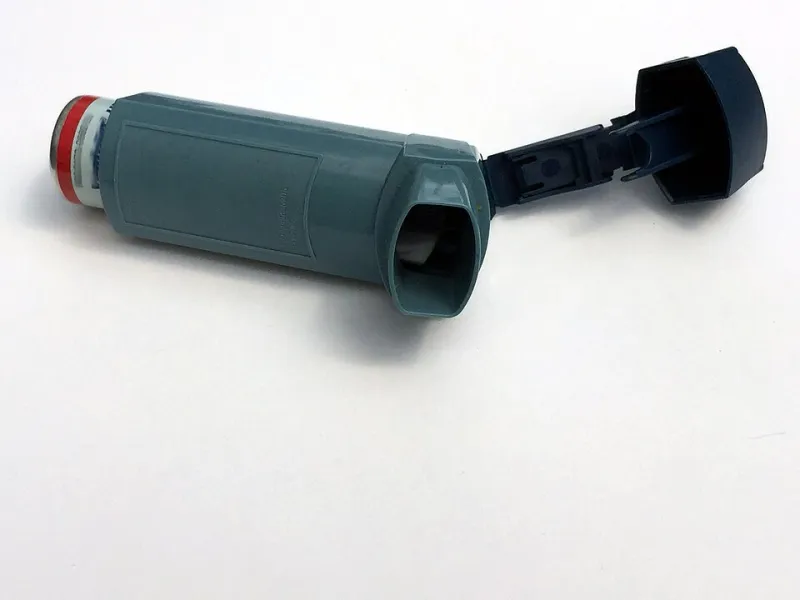
If the cough is still hanging about in week two, it’s worth checking a few quieter triggers. Do you have asthma? If so, is your inhaler technique still okay, and are you using your reliever more than usual? Do you have reflux, which can irritate the throat and cough at night? Are you taking a medicine that can cause a dry cough, such as some blood pressure medicines? Don’t stop any prescribed medicine on your own — just bring the list to your pharmacist or GP.
Also notice the pattern. Is the cough dry or chesty? Is it worse at night, after eating, or in cold air? Are you coughing up anything, and if so, what colour? Has your temperature come back? A simple note on your phone can be more useful than trying to remember everything in a ten-minute appointment.
The three-week marker: why it matters
The three-week mark is not a prophecy. It’s a prompt. In the UK, a cough that lasts longer than three weeks is usually worth a GP review, because there are other causes beyond a post-viral tickle: asthma, reflux, a chest infection, allergies, smoking-related problems, and more. Most of these are treatable or manageable, and checking early is calmer than letting worry build.
GP review is especially sensible if the cough is getting worse rather than better, if you’re losing weight without trying, if you have night sweats, if you’re coughing up blood, if you’re breathless, or if you have chest pain. Unintended weight loss and blood in your cough are not things to sit on. They don’t mean the worst automatically, but they do mean “ask someone properly, soon.”
Red flags: when not to wait
Some symptoms need urgent help, not a three-week plan. Call 999 or go to A&E if you are struggling to breathe, can’t speak in full sentences, have blue lips or a blue face, have severe chest pain, are coughing up blood, or feel confused or very drowsy. If you’re not sure how urgent it is, call NHS 111 for advice. It’s always better to ask than to talk yourself out of it.
What a pharmacist can do at the counter
A pharmacist can’t diagnose everything, but they can do a lot. They can listen to your symptoms, check what medicines you’re taking, spot possible side effects, talk through over-the-counter options, check inhaler technique if relevant, and tell you whether you should see a GP. In England, Pharmacy First covers a set list of conditions, and a lingering cough is not usually on that list — but your pharmacist can still give safe advice and point you in the right direction.
Bring your medicine list, any inhalers, and a note of how long the cough has been going on. If you’ve bought cough medicines already, bring them too. That helps the pharmacist avoid duplicating ingredients, especially paracetamol, which hides in lots of cold and flu products.
Simple self-care that actually helps
Keep drinking. Rest when you can. Use honey if it suits you and you’re over one. Avoid smoke. Keep the room ventilated but not freezing. If you have a fever or aches, paracetamol or ibuprofen may help if suitable. Don’t stack multiple cough and cold products without checking the labels. And give yourself permission to recover slowly — a post-viral cough can be boring and annoying without being dangerous.
When to book the GP review
Book a GP review if the cough has passed three weeks, if it’s worsening, or if you have any of the red flags above. Bring a short symptom diary: when it started, what makes it better or worse, whether you’ve had fever, blood, breathlessness, weight loss or night sweats. That gives the GP a clearer picture and saves you trying to remember it all on the spot.
The bottom line
Most post-cold coughs settle on their own. The three-week mark is simply a calm, practical checkpoint. If you’re unsure, ask your JP Pharmacy Care pharmacist — five minutes at the counter can help you work out whether to soothe, monitor, or book a GP review.