When the Usual Box Isn’t There: A Calm Plan for Medicine Stock Gaps
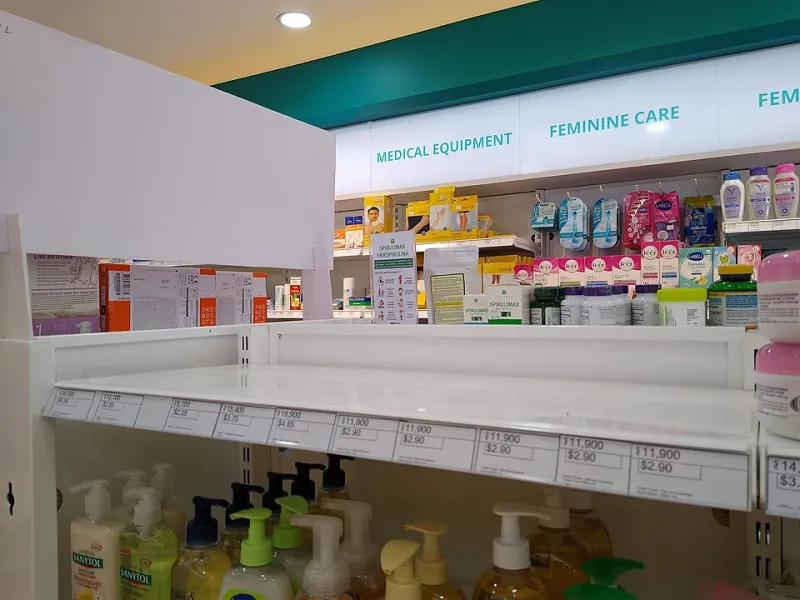
Photo: Mx. Granger, CC0, via Wikimedia Commons
It’s a familiar scene at the pharmacy counter. You’ve come for your repeat prescription, the bag isn’t there, and the phrase ‘out of stock’ lands before you’ve had your morning coffee. Your first thought is probably: what now? The good news is that most stock gaps are temporary and solvable. The important thing is not to improvise with your medicines.
First, take the panic out of the moment
A missing box is a supply problem, not a sign that your medicine has suddenly become unsafe or that you’ve done something wrong. Medicines can go short for lots of ordinary reasons: manufacturing delays, problems with raw ingredients or packaging, wholesaler distribution issues, sudden spikes in demand, or a particular brand being discontinued. Sometimes it’s one strength or one form of a medicine that’s affected, not the whole medicine. Sometimes it’s a local gap; sometimes it’s wider.
That doesn’t make it any less worrying when you’re down to your last few tablets. But it does mean there is usually a route through — and that route starts with your pharmacist, not with a friend’s leftover box.
Get the details straight before you ask for help
Before you ring round or rush to the GP, gather the basics. Know the exact name of the medicine, the strength, the form — tablet, capsule, inhaler, liquid — and how many days you have left. If you can, bring your repeat slip, your prescription order, or the details from your NHS App. It sounds obvious, but it makes the conversation much quicker.
Ask your pharmacist some specific questions. Is this a local stock issue or a national one? Can you order it for me, and do you have a realistic idea of when it might arrive? Is there another brand or generic version that would work with my prescription? Could a different pack size be available? Can you check nearby pharmacies? Is there a Serious Shortage Protocol in place for this medicine? And, importantly: what should I do about the doses I might miss while we sort this out?
What a pharmacist can do — and what they can’t
Your pharmacist can check stock, explain what’s happening, and look at whether a different brand or pack of the same medicine is available. They can contact your prescriber, check nearby pharmacies, and advise you on how urgent the situation is. In limited circumstances, they may be able to use a Serious Shortage Protocol, which allows a specified alternative to be supplied under strict conditions. They can also discuss an emergency supply in some urgent situations, though this is not automatic and may involve a fee.
What they can’t usually do is swap you to a completely different medicine or change your dose without your prescriber’s agreement. They also shouldn’t encourage you to split, crush, or open a medicine unless they’ve checked that it’s safe for that particular product. Some tablets are designed to release slowly or protect your stomach, and breaking them can change how they work. So if you’re tempted to ‘make it last’ by cutting tablets in half, ask first.
The workarounds that are not worth the risk
Borrowing a few tablets from a relative feels like a kindness, but it isn’t a safe one. Their medicine may be a different strength, a different release type, or unsuitable for your health conditions. Using an old box from the back of the cupboard is another no. Expired medicines may not work properly, and some become unsafe over time.
Don’t double up to ‘catch up’ on a missed dose unless a healthcare professional has told you to. Don’t buy prescription-only medicines from unverified online sellers. And don’t switch to a herbal remedy or supplement to fill the gap without checking with your pharmacist, especially if you take medicines for heart conditions, diabetes, epilepsy, mental health, blood thinning, or after a transplant.
A short script for the counter
You don’t need to memorise a speech. Something like this is enough: ‘I usually take this medicine at this strength, once a day. I have three days left. Can you check whether it’s a local or national shortage? Is there another brand or pack size? If not, can you contact my GP today? What should I do about tomorrow’s dose? Do I need to speak to NHS 111 or my prescriber?’
If you’re worried, say so. Pharmacists are used to these conversations, and a clear, calm question usually gets you further than ringing five pharmacies in a panic.
When to contact your prescriber or NHS 111
Get in touch with your GP surgery or prescriber if your medicine needs changing, if the pharmacist asks you to, or if you need a new prescription sent to a different pharmacy. Contact NHS 111 for urgent advice if you’re running out and have no plan, if you feel unwell, or if missing doses could cause problems. For emergencies, call 999.
Some medicines deserve extra caution: insulin, epilepsy medicines, anticoagulants, asthma inhalers, mental health medicines, and medicines that suppress the immune system. If you take one of these and can’t get your usual supply, don’t wait until the last tablet. Ask for help early.
A small plan for next time
Order repeat prescriptions with a few days’ breathing space rather than on the day you run out. Try to use one pharmacy regularly so they know your medicines. Keep an up-to-date list of what you take, and check your cupboard now and then for expired boxes. A little planning won’t prevent every shortage, but it gives you more room to sort one out calmly.
The bottom line? An empty space on the pharmacy shelf is a supply problem to be managed, not a reason to invent a workaround. Ask your pharmacist, contact your prescriber when needed, and keep the decisions in safe hands.